


The Connection Between Metal Recycling and Electric Cars
Electric cars are becoming more common on roads around the world as people look for cleaner and more sustainable ways to travel. However, behind every electric vehicle is a large amount of metal that must be sourced, processed and managed responsibly. From batteries to wiring and body parts, electric cars rely heavily on materials such as lithium, copper, aluminium and nickel. This is where metal recycling becomes extremely important. Without effective recycling systems, the growing demand for electric vehicles could place serious pressure on natural resources. Understanding the connection between metal recycling and electric cars helps explain why recycling plays such a vital role in supporting cleaner transport, reducing environmental impact and building a more sustainable future.
Why Electric Cars Need So Much Metal
Electric vehicles use many types of metals to function properly. These metals are essential for batteries, motors and electrical systems. Some of the most important materials include lithium, cobalt, nickel, copper and aluminium.
These metals are not unlimited. Mining them takes time, energy and natural resources. It can also damage the environment if not managed carefully. This is why recycling metals from old products is becoming more important every year.
How Metal Recycling Supports Electric Car Production
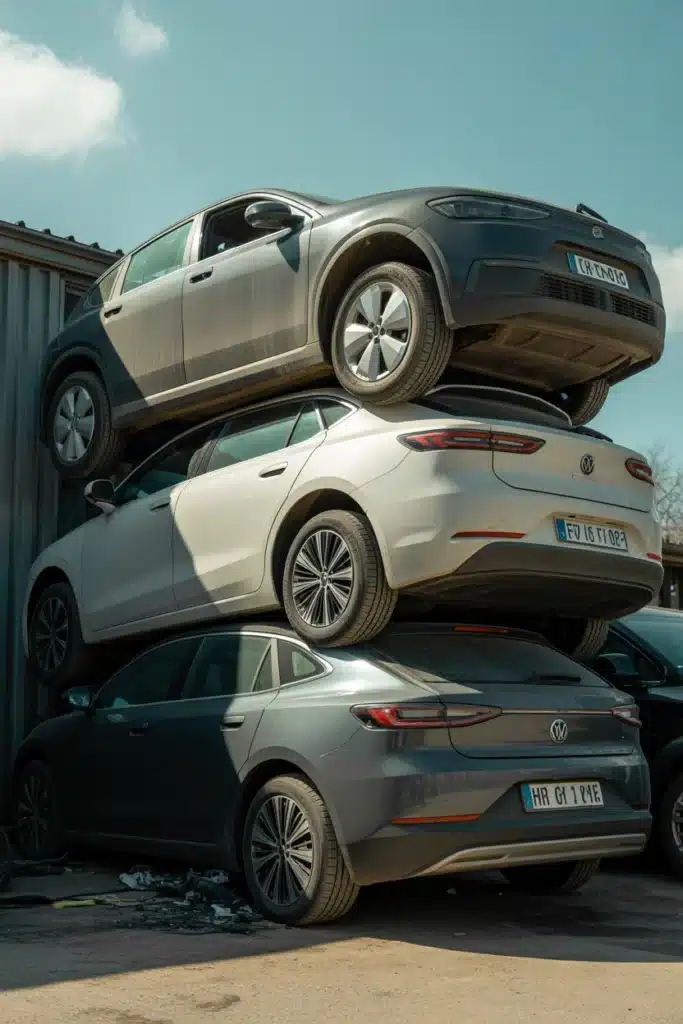
Metal recycling helps recover valuable materials from old vehicles, batteries and electronic waste. Instead of mining new resources, recycled metals can be cleaned, processed and reused in new electric cars.
Recycling metals reduces the need for new mining projects. It also lowers carbon emissions, saves energy and reduces waste sent to landfill. For example, recycling aluminium uses much less energy than producing it from raw materials.
By reusing metals, manufacturers can produce electric vehicles in a more sustainable and cost-effective way.
Why Electric Car Batteries Are Difficult to Recycle
Electric car batteries are complex and challenging to recycle due to their design and chemical composition. They contain a mix of valuable but hazardous materials such as lithium, cobalt and nickel, which must be carefully separated during the recycling process. Unlike simple metal products, batteries require specialised facilities and strict safety controls to prevent fires, chemical leaks and environmental damage. If not handled correctly, damaged or discarded batteries can release toxic substances into the soil and water. This is why proper recycling systems and professional handling are essential. As the number of electric vehicles continues to grow, improving battery recycling technology will be critical to reducing environmental risks and making electric mobility truly sustainable.
The Role of Battery Recycling
Electric car batteries contain valuable metals such as lithium, cobalt and nickel. These materials are essential for battery performance but are limited in supply.
Recycling old batteries allows these materials to be recovered and reused. This reduces the need for new mining and helps prevent harmful waste from entering the environment. As more electric cars reach the end of their life, battery recycling will become even more important.
Proper battery recycling also improves safety, as damaged or discarded batteries can be dangerous if not handled correctly.
Environmental Benefits of Metal Recycling
Metal recycling plays a key role in protecting the environment. It helps reduce greenhouse gas emissions, saves natural resources and lowers energy consumption.
By recycling metals used in electric vehicles, countries can reduce their environmental footprint and support cleaner transport systems. This supports global goals to reduce pollution and fight climate change.
Recycling also reduces the amount of waste sent to landfill, helping to protect land and water resources for future generations.
How Metal Recycling Supports a Circular Economy
A circular economy focuses on reusing materials instead of throwing them away. Metal recycling fits perfectly into this model.
When metals are recycled, they stay in use for longer. This reduces waste and keeps valuable resources in circulation. Electric vehicles rely heavily on this system, as many of their components can be reused or repurposed.
By supporting metal recycling, industries can move away from a “take, make, waste” model and towards a more sustainable future.
The Role of Professional Recycling Services
Professional recycling companies play a key role in making this system work. They collect, sort and process metal waste safely and efficiently. Their expertise ensures that valuable materials are recovered and reused correctly.
Companies such as Metal Scrap Ltd support responsible recycling by handling metals in line with environmental standards. This helps both businesses and individuals contribute to a cleaner and more sustainable future.
Looking Ahead
The connection between metal recycling and electric cars will continue to grow as demand for clean transport increases. Recycling will play a major role in reducing environmental impact and supporting the transition to greener energy.
By understanding this connection, individuals and businesses can make more informed choices and support a more sustainable future for everyone.
Frequently Asked Questions
What is the connection between metal recycling and electric cars?
Metal recycling supports the production of electric cars by providing essential materials such as lithium, copper, aluminium and nickel. Recycling these metals reduces the need for new mining and helps make electric vehicle production more sustainable.
Why is metal recycling important for electric vehicles?
Electric vehicles rely heavily on metals for batteries, motors and wiring. Recycling helps recover these valuable materials, reduces environmental damage and lowers the overall carbon footprint of electric car production.
How does metal recycling help protect the environment?
Metal recycling reduces the need for raw material extraction, which lowers energy use and greenhouse gas emissions. It also reduces landfill waste and helps conserve natural resources for future generations.
What metals from electric cars can be recycled?
Common recyclable metals from electric vehicles include lithium, cobalt, nickel, aluminium and copper. These materials can be recovered from batteries, wiring and other components.
Why is battery recycling important for electric cars?
Battery recycling prevents harmful substances from entering the environment and allows valuable metals to be reused. As more electric cars reach the end of their life, battery recycling becomes essential for sustainable transport.
How does metal recycling support a circular economy?
Metal recycling keeps materials in use for longer by turning old products into new resources. This reduces waste, limits the need for raw materials and supports a more sustainable, circular economy.
Can metal recycling help reduce the environmental impact of electric vehicles?
Yes. Recycling metals lowers carbon emissions, saves energy and reduces the environmental footprint of producing electric vehicles, making clean transport even more sustainable.

