


Scrap Metal in London: Waste or a Long-Term Resource?
If you live or run a business in London, you see metal everywhere. It appears on construction sites, during home renovations and in everyday commercial work. Old radiators, broken appliances, leftover pipes, cables and steel offcuts often pile up faster than people expect. Because London never really slows down, scrap metal becomes part of the background. So it is natural to ask a simple question: can scrap metal be recycled forever?
Why Metal Is Different
When people think about recycling, they often compare everything to plastic. However, metal behaves very differently.
Plastic weakens each time it is recycled and often requires new raw material to maintain quality. Paper fibres shorten. Quality drops. Eventually, those materials cannot be reused anymore.
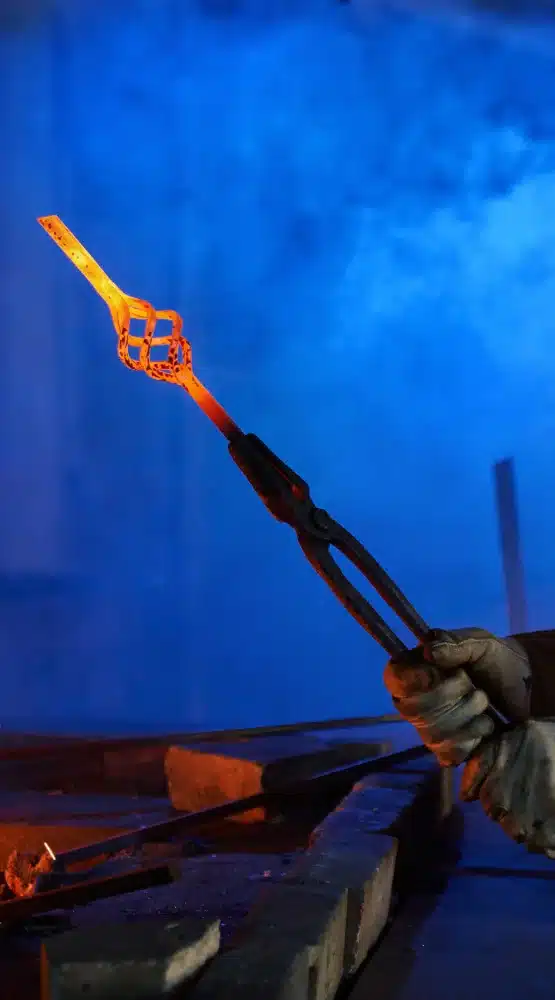
Metal does not work in the same way. When scrap metal is melted down, its atomic structure remains intact. The recycling process reshapes and purifies the material by removing impurities rather than breaking it down. That is why metals such as aluminium, copper and steel can return to the market without losing strength or durability. In other words, metal does not “wear out” through recycling. It simply melts and changes form, which allows it to be used again and again.
Which Metals Can Be Recycled over and over again?
Most metals commonly used in London’s construction and manufacturing sectors can be recycled repeatedly, including:
- Steel
- Aluminium
- Copper
- Brass
- Lead
- Stainless steel
Aluminium is one of the strongest examples. It can be recycled indefinitely while using up to 95% less energy compared to producing it from raw ore. That is a dramatic difference which has real significance for climate goals.
Copper is equally impressive. It maintains its conductivity even after multiple recycling cycles. That is why recycled copper is widely used in electrical wiring and renewable energy systems, where efficient electricity transfer is essential.
Does Metal Ever Lose Quality?
Pure metal does not lose its core properties. However, problems can arise if materials are poorly sorted or if too many types of metal are mixed in incorrect proportions. When different metals are mixed incorrectly, additional processing is required to separate them. This does not mean the metal is damaged, but it does make recycling less efficient.
That is why professional handling matters. In licensed recycling facilities, scrap metal is carefully sorted, cleaned and processed. Modern technology ensures high levels of purity. As a result, recycled metal often maintains its structure and quality just as well as newly mined material.
Metals can last indefinitely, but without proper handling they may lose value in the recycling process.
How the Recycling Process Actually Works
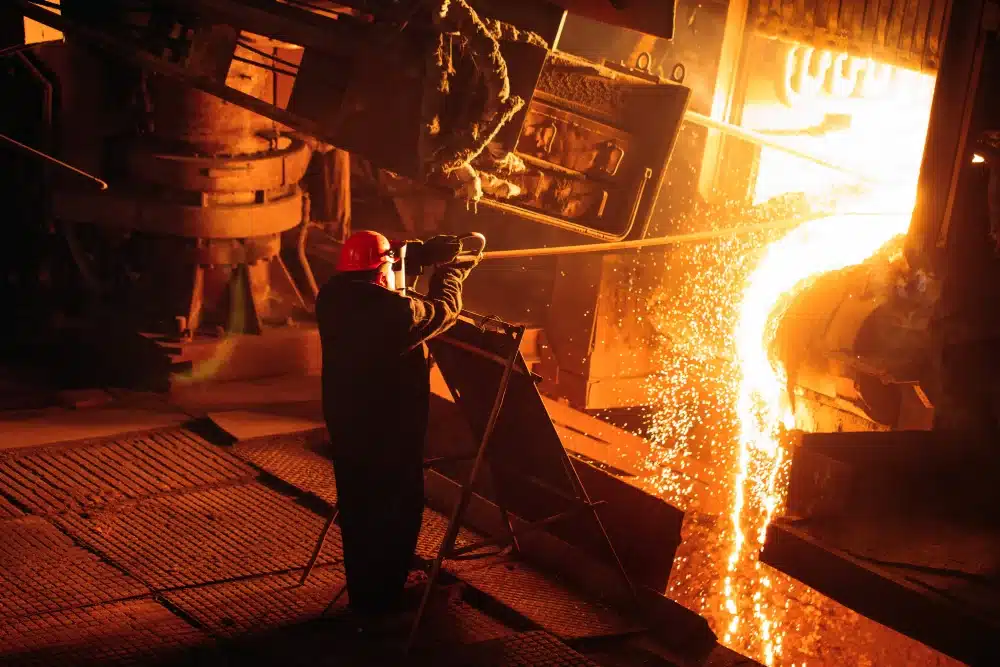
Many people imagine recycling as a simple melting process. In reality, it involves several stages before melting can start:
- Collection
- Sorting
- Cleaning
- Shredding
- Melting
- Purification
- Reforming into new products
After refining, the metal is reshaped into sheets, beams, cables or components. These finished products then re-enter the market for different purposes and begin another life cycle.
Why This Matters for the Environment
The ability to recycle metal repeatedly has significant environmental benefits.
Firstly, it reduces the need for mining. Mining requires large amounts of energy and water and can damage ecosystems. Recycling, on the other hand, lowers the carbon footprint and reduces pollution.
Secondly, recycling requires far less energy than producing new metal:
- Aluminium recycling saves up to 95% of energy
- Copper recycling saves approximately 85%
- Steel recycling saves around 60 – 70%
The figures speak for themselves.
What It Means for London Businesses
For businesses across London, scrap metal recycling is not only environmentally responsible but also financially beneficial. Instead of paying for disposal, companies can turn metal waste into revenue. Moreover, recycling reduces landfill costs and supports ESG targets.
Because metals can circulate indefinitely, they remain part of a continuous value chain. Few other materials offer that advantage.
So, Can Scrap Metal Be Recycled Forever?
In practical terms, yes. Most metals can be recycled indefinitely without losing their essential qualities. The key lies in responsible collection, proper sorting and professional processing.
When handled correctly, scrap metal becomes a long-term resource rather than a one-time material. That is why metal recycling plays such an important role in cities like London, where construction and industry never stand still. Scrap metal is not simply waste. It is a valuable material that can stay in circulation for generations.
If you have scrap metal in London and want to ensure it is recycled properly, working with a licensed and experienced collection service like ours can make a real difference. Responsible recycling protects the environment and preserves the value of materials at the same time.
Contact us today to ensure your metal is recycled professionally and responsibly.
Frequently Asked Questions
Can scrap metal really be recycled forever?
Yes, most metals can be recycled indefinitely without losing their essential properties. Unlike plastic or paper, metal does not degrade during the recycling process. When properly sorted and processed, it can be melted down and reused repeatedly.
Does recycled metal lose quality over time?
No, pure metal does not lose its core structure or strength. However, incorrect sorting or contamination can reduce efficiency. That is why professional processing and separation are important to maintain high material quality.
Which metals are most commonly recycled in London?
In London, the most frequently recycled metals include steel, aluminium, copper, brass, lead and stainless steel. These materials are widely used in construction, renovation and industrial sectors, so they regularly enter the recycling stream.
Why is aluminium considered highly recyclable?
Aluminium can be recycled indefinitely and requires up to 95% less energy compared to producing new aluminium from raw ore. This makes it one of the most environmentally efficient materials in the recycling industry.
Is scrap metal recycling environmentally beneficial?
Yes. Recycling metal significantly reduces the need for mining, lowers carbon emissions and saves energy. For example, steel recycling can save around 60–70% of the energy required to produce new steel.
Can businesses in London make money from scrap metal?
Yes. Scrap metal retains value. Instead of paying for disposal, many London businesses sell metal waste for recycling. This reduces landfill costs and can generate additional revenue.
Why is professional scrap metal collection important?
Professional and licensed collection ensures correct sorting, safe handling and full compliance with UK regulations. Proper processing protects the environment and preserves the value of the metal.

