


The Urgency of E-Waste Recycling: Economic and Environmental Benefits
Every year, the world generates more than 50 million tonnes of electronic waste. This issue is becoming more pressing, particularly because manufacturers shorten product life cycles to boost profits. As a result, households and businesses dispose of devices more quickly, and mountains of e-waste grow.
One effective way to fight this problem is through electronic waste recycling. Despite its many advantages, this practice remains underused. So, does it really pay off to recycle e-waste? Let’s find out.
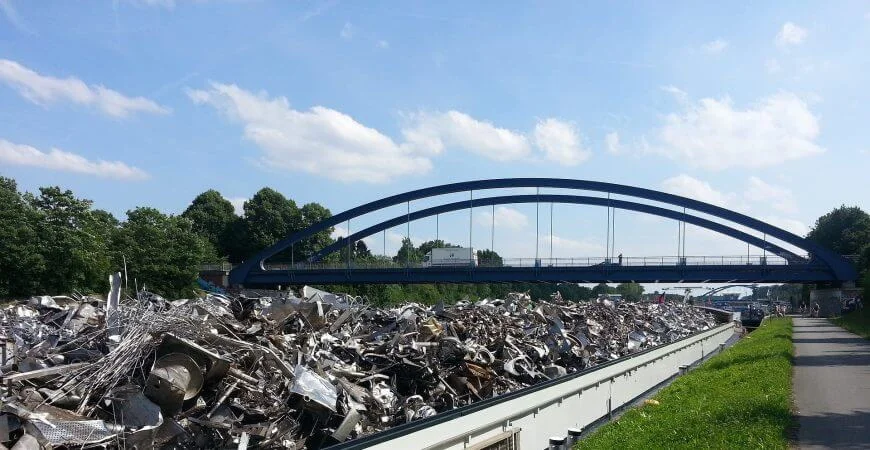
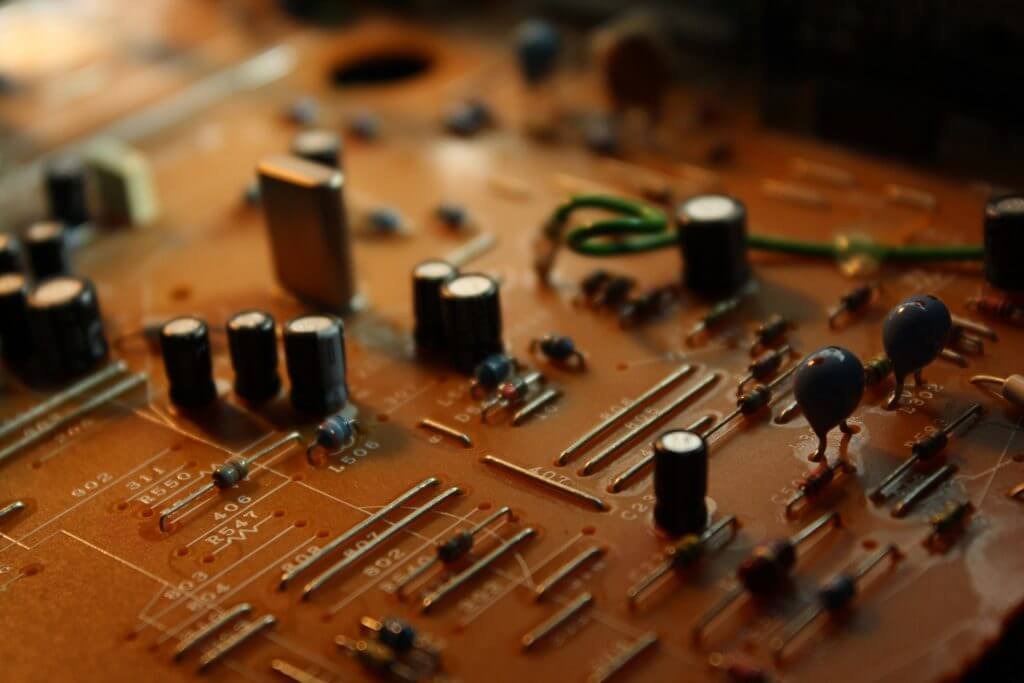
E-Waste: A Serious Environmental Threat
E-waste refers to discarded electrical and electronic equipment, such as televisions, computers, phones, washing machines, fridges, and even light bulbs. Rapid technological development, combined with shorter product lifespans, has caused a sharp increase in e-waste. Within the European Union alone, more than 15 million tonnes are produced annually.
The danger lies in the toxic substances these devices contain. Left untreated, they pose risks to both human health and the environment. Therefore, proper recycling is essential. It neutralises toxins and allows us to recover valuable materials, including copper, iron, silver, and gold.
Unfortunately, the risks of e-waste are often ignored. As a result, an estimated 5 million tonnes of European electronic waste never undergo proper recycling.
Is Recycling the Perfect Solution?
E-waste recycling offers clear environmental and economic benefits. Reclaimed raw materials can be reused in new devices, which reduces the need for fresh extraction. Moreover, recycling requires far less energy than mining, and it lowers carbon emissions.
The numbers are impressive. One tonne of e-waste contains about 130 kg of copper, 3.5 kg of silver, and 340 g of gold. Recovering these metals is both sustainable and profitable. Nevertheless, only a small percentage of global e-waste is recycled. Instead, around 80% is exported to developing countries.
Why Isn’t Recycling More Common?
In Europe, strict regulations and high recycling costs make the process less profitable. Consequently, much of the continent’s e-waste is exported to regions with lower labour costs. For example, China became a primary destination.
There, devices are dismantled in unsafe conditions, often outdoors without protection. Toxins and heavy metals leak into soil, water, and even people’s bloodstream. In other words, Europe’s e-waste problem often contaminates environments thousands of miles away.
Europe in Search of Better Solutions
Europe cannot ignore this issue forever. After all, e-waste represents a valuable source of metals such as copper, tin, lead, silver, and gold. Several solutions are now under discussion.
For instance, manufacturers have launched take-back programmes. Customers can return old devices free of charge or receive discounts on new purchases. This approach not only boosts recycling but also builds stronger customer relationships.
In addition, new technologies are emerging. At the University of Technology in Radom, Poland, researchers are developing a chemical recycling process. This method extracts metals through controlled chemical reactions in a closed system. Funded with EU grants, the project demonstrates that sustainable electronic waste recycling can succeed in Europe. If scaled, such methods may reduce exports and keep valuable raw materials within the continent.
Conclusion: Does E-Waste Recycling Pay Off?
The answer is yes. Electronic waste recycling protects the environment, saves energy, and reclaims precious metals. Moreover, it creates economic opportunities when supported by the right infrastructure and policies.
For now, challenges remain. High costs and unsafe global practices prevent full progress. However, with new technologies and better recycling programmes, the future looks more promising.
Looking for reliable recycling solutions in London?
Metal Scrap Ltd provides fast collection, competitive prices, and eco-friendly recycling.
Contact us today or follow us on Facebook for industry updates and recycling tips.
Does It Pay Off to Recycle Electronic Waste?
What is electronic waste recycling?
Electronic waste recycling is the process of collecting, dismantling, and treating old electrical and electronic devices. It allows valuable metals such as copper, silver, and gold to be recovered while neutralising harmful toxins.
Why is electronic waste harmful?
Electronic waste often contains toxic substances like lead, mercury, and cadmium. Without proper recycling, these substances can pollute soil, water, and air, causing long-term health and environmental damage.
Does electronic waste recycling really pay off?
Yes. Recycling e-waste reduces pollution, saves energy, and recovers precious metals that can be reused. For example, one tonne of e-waste contains significant amounts of copper, silver, and gold, making recycling both eco-friendly and profitable.
Why is most e-waste sent to developing countries?
Due to strict regulations and high costs in Europe, many companies export e-waste to countries with lower labour costs. Unfortunately, unsafe recycling practices in these regions cause environmental contamination and health risks.
What are the benefits of recycling e-waste in Europe?
When done locally, electronic waste recycling keeps valuable raw materials within Europe, reduces carbon emissions from shipping, and ensures safer, more sustainable recovery methods supported by modern technology.
How can I recycle my old electronic devices responsibly?
You can return devices through manufacturer take-back schemes, local council recycling centres, or certified recycling companies. These programmes ensure that your e-waste is handled safely and in compliance with environmental standards.

