


Why Comparing Global Recycling Systems Matters
Understanding how other countries manage their recycling systems allows the UK to identify practical improvements and avoid repeating common mistakes. Many nations have already tested different approaches to waste collection, sorting and processing, providing valuable insights into what works and what does not. By studying these systems, policymakers and industry professionals can make informed decisions that improve efficiency, reduce environmental impact and support long-term sustainability goals.
Comparing global recycling systems also highlights the importance of consistency and public engagement. In countries with high recycling rates, clear rules and strong public awareness campaigns play a major role in success. When residents understand what can be recycled and why it matters, participation increases and contamination levels fall. This is an area where the UK can still make significant progress by learning from international best practices.
Understanding the Current UK Recycling System
The UK recycling system has improved steadily over the past decade. Household recycling rates have increased and public awareness is higher than ever. However, challenges remain. Inconsistent local council rules, limited recycling infrastructure and confusion over materials often reduce efficiency.
Despite ongoing efforts, the British recycling system still struggles with contamination, uneven collection standards and limited processing capacity for certain materials. These issues highlight the need to learn from recycling systems around the world that have already overcome similar challenges.
Recycling Systems Around the World: What Works Best?
Many countries have implemented advanced waste management systems that outperform the UK in both recycling rates and efficiency.
Germany – A Leader in Recycling Innovation
Germany is often cited as one of the best examples of effective recycling. Its success lies in strict waste separation rules, advanced sorting technology and strong public education. Citizens are encouraged to separate waste correctly, and deposit-return schemes reward responsible behaviour.
Sweden – Turning Waste into Energy
Sweden combines recycling with energy recovery. Non-recyclable waste is converted into energy, reducing landfill use significantly. This approach shows how recycling innovation can support both environmental goals and energy production.
Japan – Precision and Responsibility
Japan’s recycling system focuses on discipline and detailed waste sorting. Residents separate waste into multiple categories, ensuring high-quality recycling streams. This level of organisation demonstrates how clear guidelines and public cooperation can transform waste management.
What the UK Can Learn from These Global Recycling Systems
The UK can learn several important lessons from international recycling leaders:
- Clearer national guidelines to reduce confusion across local councils
- Stronger investment in recycling infrastructure, including sorting and processing facilities
- Better public education to improve recycling habits
- Incentives for responsible waste disposal, similar to deposit schemes used abroad
By adopting these strategies, the UK recycling system could become more efficient, cost-effective and environmentally friendly.
The Role of Recycling Innovation in the UK
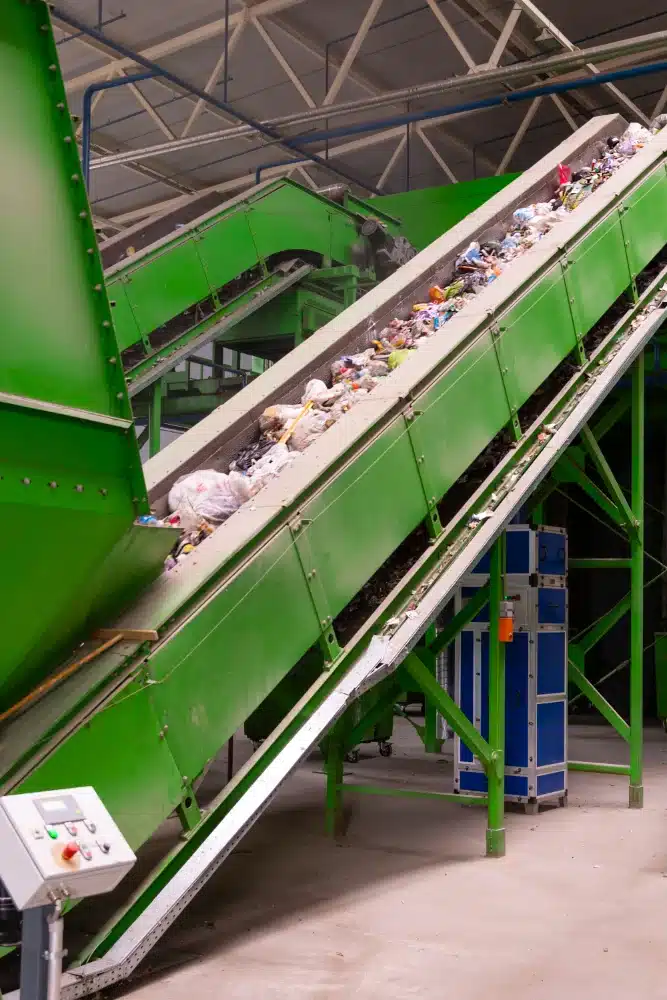
Recycling innovation plays a vital role in modern waste management. Smart sorting technologies, data-driven collection routes and improved material recovery systems are already transforming the industry.
By investing in innovation, the UK can reduce contamination rates, recover more valuable materials and lower its environmental impact. This is especially important for metal recycling, where efficient processing significantly reduces carbon emissions and raw material extraction.
How the UK Can Strengthen Its Waste Management Systems
To improve waste management systems nationwide, collaboration is essential. Local authorities, recycling companies and businesses must work together to standardise processes and share best practices.
Private-sector recycling companies also play a key role. By adopting advanced technologies and responsible practices, they help bridge the gap between policy and real-world implementation.
The Role of Professional Recycling Services
Professional recyclers support the transition toward more efficient systems by handling materials responsibly and ensuring compliance with environmental regulations. Companies such as Metal Scrap Ltd contribute to this effort by offering reliable metal recycling services that align with modern sustainability goals.
Through responsible operations and commitment to best practices, professional recyclers help strengthen the UK’s position within the global recycling landscape.
Looking Ahead: A Smarter Future for UK Recycling
The future of recycling in the UK depends on learning from proven global systems and adapting them to local needs. By embracing innovation, improving infrastructure and encouraging responsible behaviour, the UK can build a more effective and sustainable recycling system.
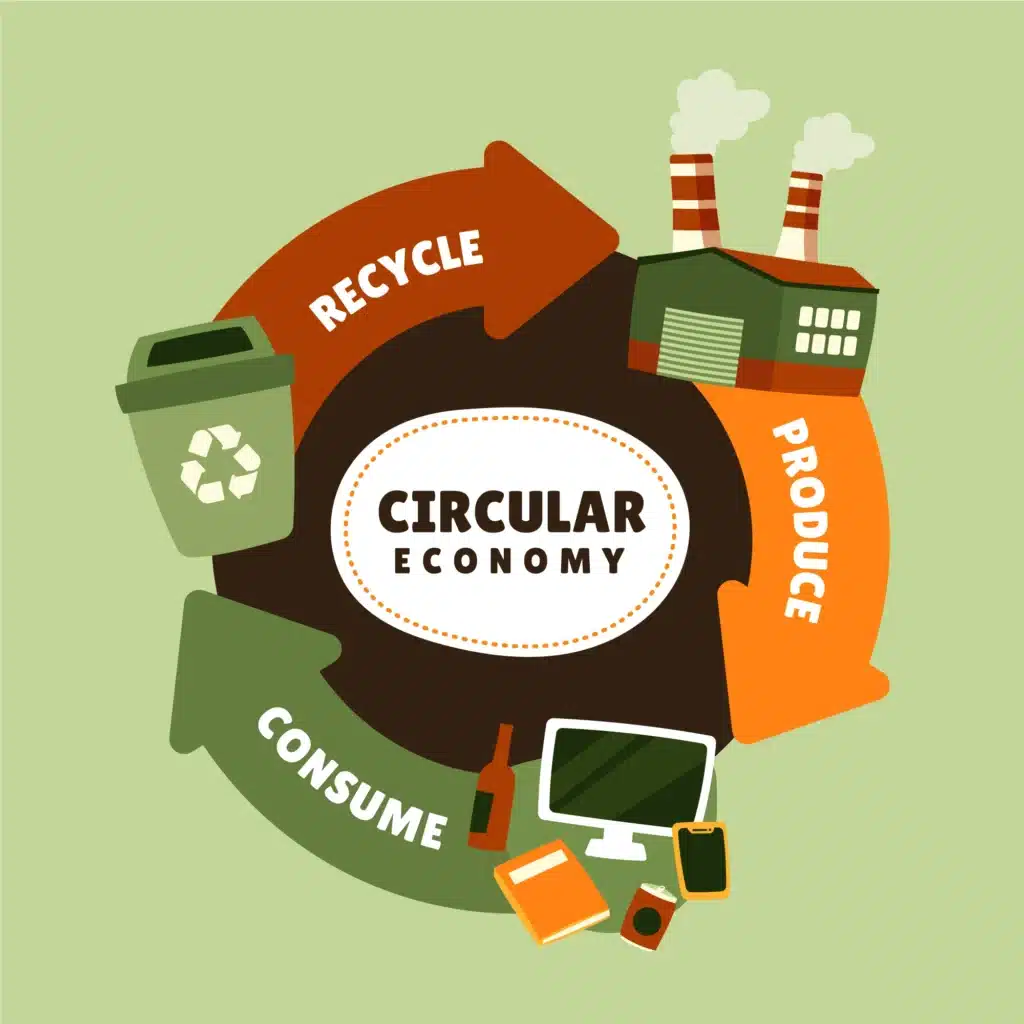
Understanding what other countries do well is not about copying their systems, but about applying the right ideas in a way that works locally. With continued progress and cooperation, the UK can move closer to a cleaner, more efficient circular economy.
Frequently Asked Questions
What can the UK learn from other countries recycling systems?
The UK can learn how clearer recycling rules, better public education and stronger investment in infrastructure improve recycling performance. Countries with high recycling rates often use consistent nationwide systems and advanced sorting technologies.
Why are recycling systems in other countries more effective?
Many countries benefit from stricter regulations, better public awareness and long-term investment in waste management. These factors reduce contamination and increase recycling efficiency compared to systems with fragmented local rules.
How does recycling work in countries with high recycling rates?
In countries with strong recycling performance, waste is carefully sorted at source, supported by clear guidelines and modern processing facilities. Public participation plays a key role in maintaining high-quality recycling streams.
What role does innovation play in modern recycling systems?
Recycling innovation improves efficiency by using smart sorting technology, better logistics and data-driven waste collection. These solutions help reduce landfill use and increase material recovery.
Can the UK improve its recycling system by learning from other countries?
Yes. By adopting proven practices from global recycling leaders, the UK can improve consistency, reduce waste contamination and create a more sustainable recycling system.
How do professional recycling companies support better recycling outcomes?
Professional recycling companies help implement best practices by handling materials responsibly, investing in modern technology and supporting compliance with environmental standards. Their role is essential in strengthening national recycling efforts.

