

Managing E-Waste: Proper Disposal Methods for a Cleaner Environment
The world is facing an environmental crisis, and sustainable living has become a priority. While recycling plastics, paper, and metals is now a common habit, many people are still unsure what to do with electronic waste. Old laptops, broken smartphones, used batteries, and outdated TVs pile up in homes, and unfortunately, much of this waste ends up in landfills. This is a serious issue because e-waste contains toxic substances that harm soil, water, and air.
The good news is that most of these devices also contain valuable metals like copper, aluminium, and even gold. Choosing professional electronic waste disposal in London ensures these materials are recovered and reused, while harmful substances are safely removed.
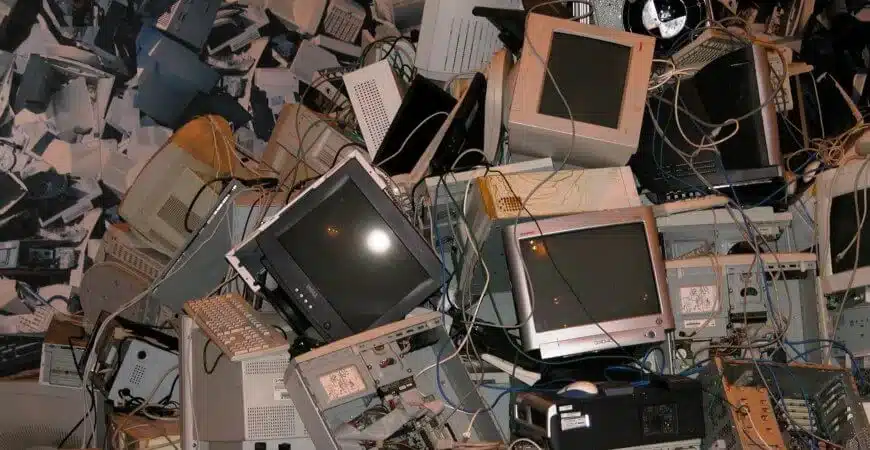
Recycle and Reuse – Giving Electronics a Second Life
If you have a drawer full of old batteries, chargers, and non-functioning phones, the best step is to recycle them. Proper e-waste recycling in London prevents toxic materials like lead, mercury, or cadmium from entering the environment. At the same time, precious metals inside these devices can be reused in new products such as smartphones, laptops, or car parts.
Working with a professional scrap metal company helps guarantee that your old electronics are dismantled safely. At Metal Scrap Ltd, we provide responsible collection and electronic waste disposal in London, so you can reduce your carbon footprint while contributing to a circular economy.


Reduce – The First Step Towards Sustainability
While recycling is essential, reducing the number of electronics we buy is even more effective. Every unnecessary purchase increases the risk of waste ending up in the wrong place. Try to get the most use out of every device before replacing it. Resist upgrading to the latest phone model unless your current one no longer works. By extending the life cycle of electronics, you help limit pollution and reduce the demand for raw materials.
Safe Disposal Points for Hazardous Materials
Some electronic waste requires special attention. Batteries, for example, should never go into your household bin. Instead, take them to authorised collection points or recycling centres. Similarly, larger items like TVs, computers, and printers should always be handled by professionals trained in e-waste management.
By choosing certified electronic waste disposal services in London, you protect the environment and ensure valuable materials are recovered responsibly.
Final Thoughts
Electronic waste is one of the fastest-growing waste streams in the UK. But by reusing, recycling, and reducing our consumption, we can limit its harmful impact.
👉 Do you have unwanted electronics or scrap metal in London? Contact Metal Scrap Ltd today for quick collection, fair prices, and fully legal recycling.
📌 Stay connected with us on Facebook for more recycling tips, updates on scrap metal prices, and eco-friendly ideas for your home and business
What to Do with Electronic Waste?
What is electronic waste?
Electronic waste, or e-waste, includes old or broken devices such as laptops, mobile phones, TVs, batteries, and household electronics that are no longer in use.
Why is electronic waste dangerous?
E-waste contains toxic materials like lead, mercury, and cadmium. If not disposed of properly, these substances pollute soil, water, and air.
What are the best ways to recycle electronic waste?
The most effective methods include taking e-waste to authorised recycling points, contacting local councils, or using professional services for electronic waste disposal in London.
Can old electronics be reused?
Yes. Many electronic devices contain valuable metals such as copper, aluminium, and even gold that can be recovered and reused in new products.
Where can I dispose of e-waste in London?
You can contact Metal Scrap Ltd, which offers safe collection and recycling of electronic waste and scrap metal in London.
Is reducing electronics use better than recycling?
Both are important, but reducing unnecessary purchases extends product lifespans, lowers waste, and decreases demand for raw materials.

